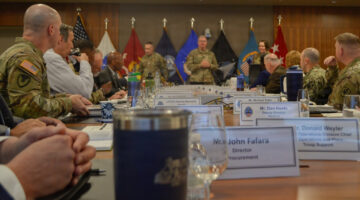
The gap between demand and delivery is widening. AI can help close it.
Supply chains are only as strong as their weakest link, which has been repeatedly proven to be true over the last few years.

Supply chains are only as strong as their weakest link, which has been repeatedly proven to be true over the last few years.


One chipmaker is sharing its advanced AI processors and accelerators with promising startups serving national security.

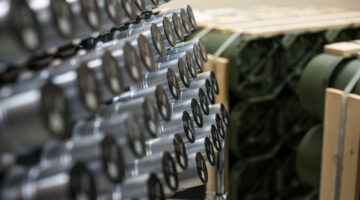
APKWS® laser‑guidance kit provides reliable precision‑guided munitions across missions and platforms, delivered quickly to meet evolving operational demands.

Advanced chips that didn't exist two years ago can enable smart intelligence, bases, and planning.


A new Collins Aerospace system enhances U.S. Army mobile command and control.
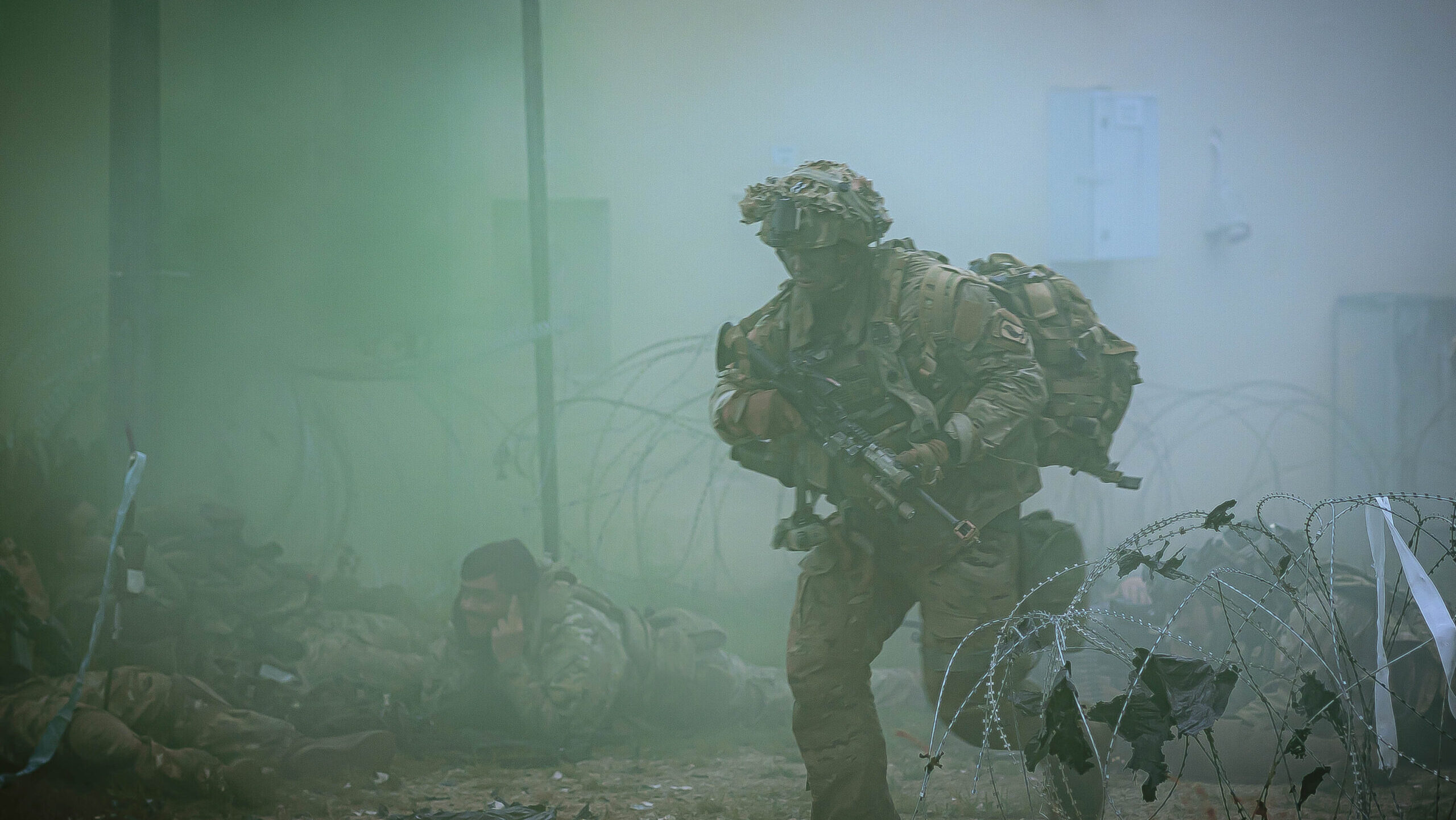
Mobile, distributed command and control requires a common operating picture even in contested environments.
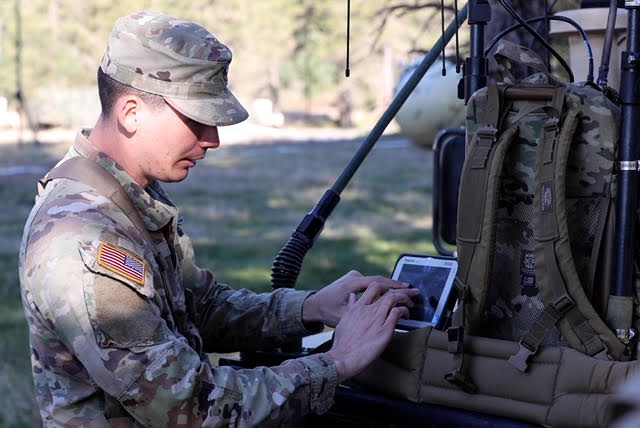
When it comes to a common operating picture, not everyone needs the same equipment. What they need is the same situational awareness.
Ensuring SI models and their underlying data are kept secure is critical to building digital tools that can be deployed readily in warfighting environments.


By implementing a design-as-built methodology that digitally connects entire FVL programs throughout the lifecycle, Bell has increased its ability to collaborate in real-time with program partners and the Army to deliver new capabilities faster and more affordably.

The future of Army aviation depends on major improvements in aircraft speed, range, and reliability. Bell’s vision to ensure these programs enhance national security and are affordable relies on digital engineering and modeling to integrate missions and air vehicle systems with sustainment in mind so they all meld together in advance of manufacturing to reduce risk.


Low-observable treatments and easier maintenance usually don’t go hand-in-hand; all indications are that the B-21 will break that paradigm.
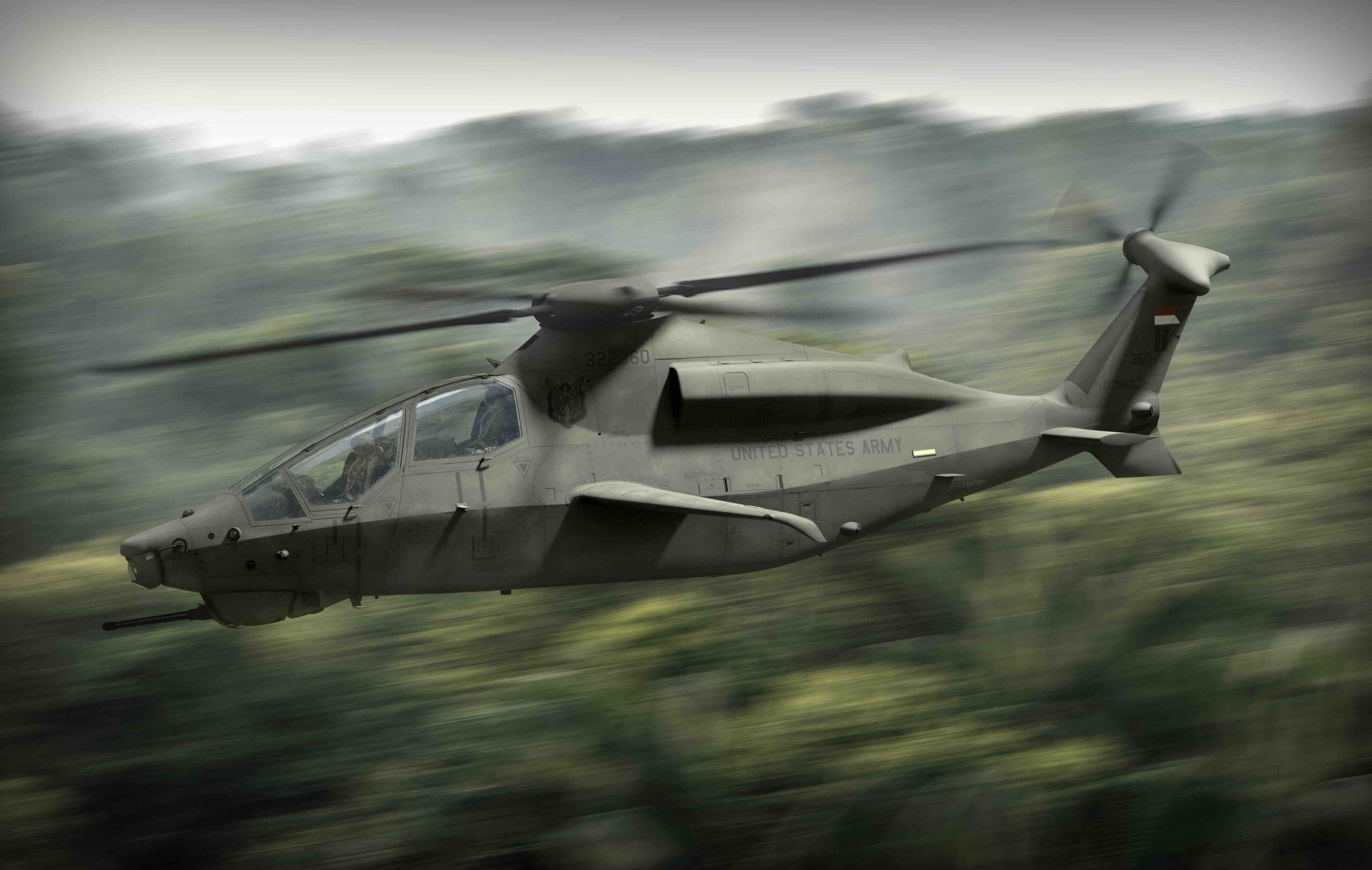
A flight-proven tiltrotor and advanced helicopter are the optimum solutions for transformational air assault and attack/recon.

Expanding manufacturing capacity is critical to producing missiles, radars, and launch systems.

Bell’s V-280 Valor builds upon 600,000 hours of experience with the V-22 tiltrotor with a clean-sheet design to meet the Army’s requirement for an air-assault platform.

Supportability issues that affected the availability and performance of early, stealthy aircraft are being addressed by Northrop Grumman on this new program.
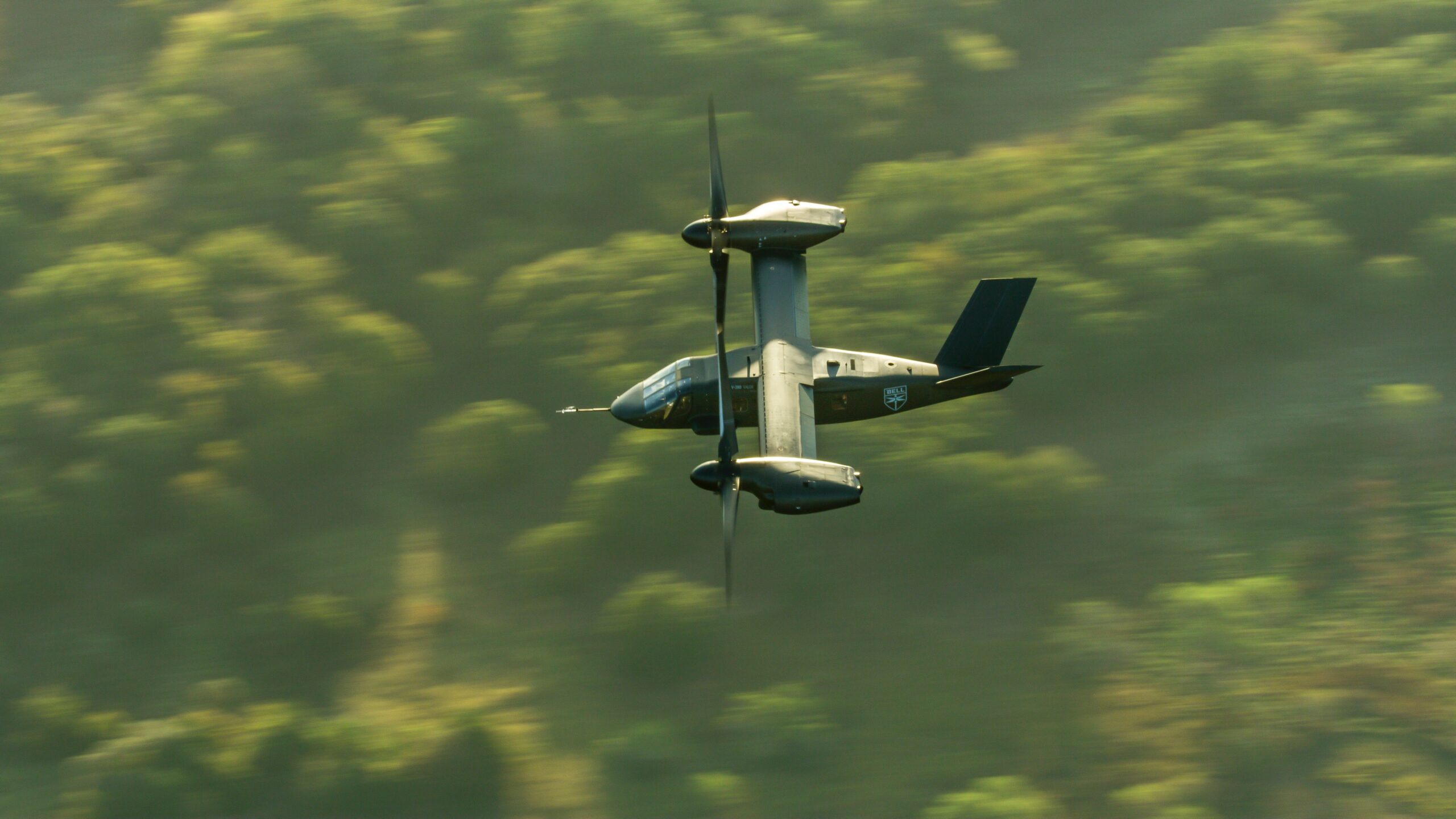
Bell created the V-280 Valor with agility, speed in excess of 280 knots, and more than 500 nm of range that is needed to quickly take advantage of tactical opportunities in multi-domain operations in theaters across the globe.

Advanced software development techniques are reducing risk and will enable the Air Force and Northrop Grumman to more efficiently integrate weapons on future aircraft, like the B-21.